
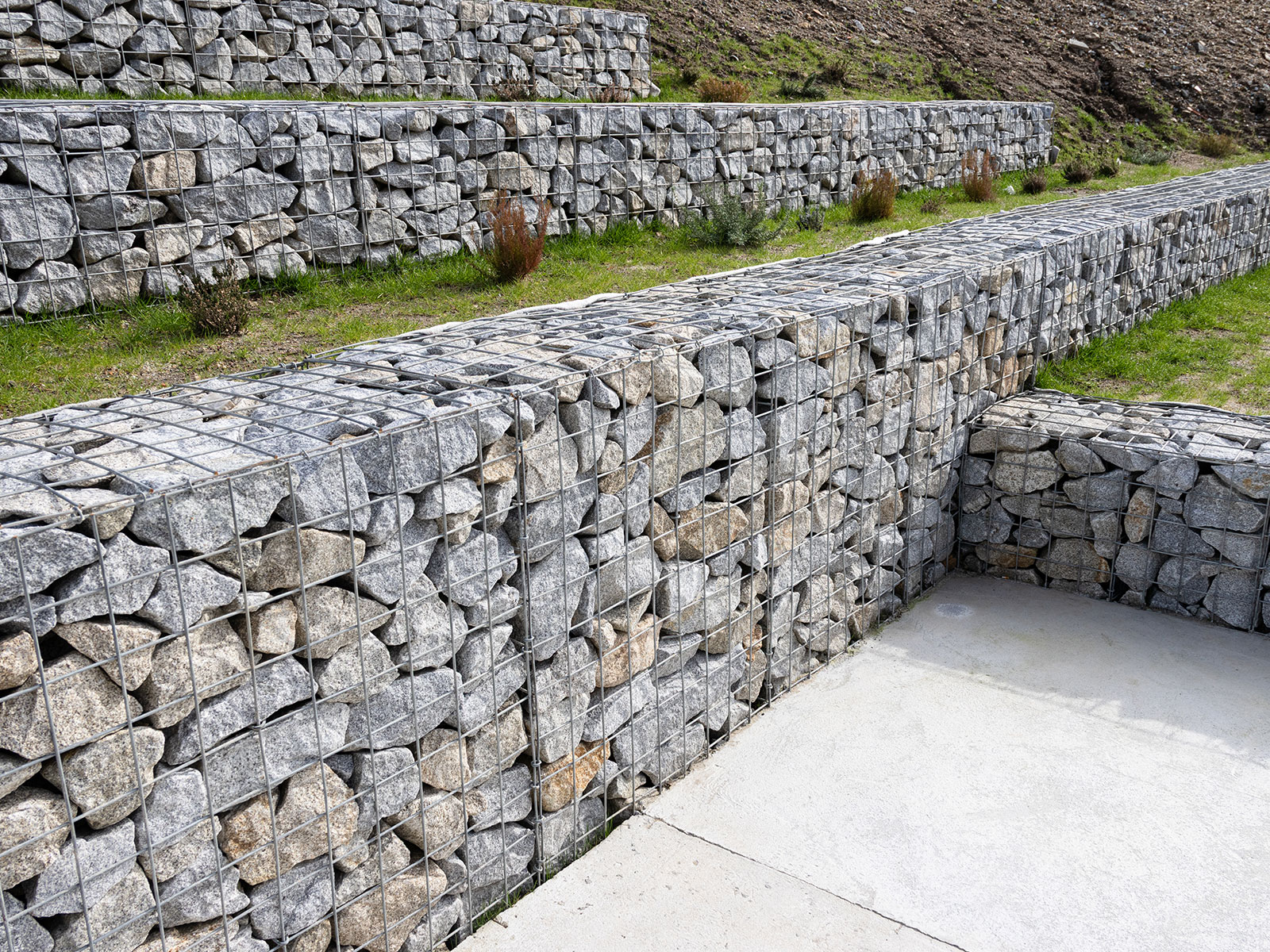
Retaining Walls Costs: What to Expect

Retaining walls are both functional and visually impactful. They help manage slopes, prevent erosion, and create usable space while adding structure and depth to your landscape.

At Georgian Landscape Design, we design retaining walls that are built for long term stability and tailored to your property. Understanding the cost is a helpful first step when planning your project.

What Is a Retaining Wall?

A retaining wall is a structure designed to hold back soil and manage changes in elevation. It allows you to create level areas on sloped properties and helps control water movement across your landscape.

Retaining walls can be used for both structural support and decorative design.

Common Types of Retaining Walls

There are several materials and styles to choose from depending on your needs and design goals.

Segmental Block Walls

These walls are made from interlocking concrete blocks and are one of the most common options. They offer strength, durability, and a clean, uniform appearance.

Natural Stone Walls

Natural stone provides a more organic and high end look. Each installation is unique and blends well with surrounding landscaping.

Poured Concrete Walls

Poured concrete walls offer a smooth and modern appearance. They are often used when a more structural solution is required.

Timber Walls

Timber walls are a more budget friendly option. They work well for smaller projects but may not last as long as other materials.

Why Homeowners Invest in Retaining Walls

Retaining walls provide both practical and design benefits.

Creates usable space
Transforms sloped areas into level, functional sections.

Prevents erosion
Keeps soil in place and reduces washout during heavy rain.

Improves drainage
Helps control how water moves across your property.

Adds structure to your landscape
Defines areas and creates visual interest.

Enhances property value
Adds both function and appeal to your home.

What Impacts the Cost of a Retaining Wall?

Retaining wall costs can vary depending on several factors:

Height and length
Taller and longer walls require more materials and structural support.

Material selection
Concrete block is more affordable, while natural stone increases cost.

Engineering requirements
Larger walls may require additional reinforcement or design considerations.

Site conditions
Slope, soil type, and access to the area can impact installation.

Drainage integration
Proper drainage behind the wall is essential and adds to the scope.

Labor and installation
Experienced installation ensures long term performance and stability.

How Much Does a Retaining Wall Cost?

Every project is different, but here are general ranges to help guide your expectations:

  • $40 to $100 per square foot depending on material and design
  • $3,000 to $20,000 or more total based on size and complexity

Smaller decorative walls fall on the lower end, while larger structural walls will cost more.

When Is a Retaining Wall Needed?

Retaining walls are often used when your property has:

  • Sloped or uneven terrain
  • Areas prone to erosion
  • A need for level space for patios or planting
  • Drainage issues related to elevation changes
  • A desire to create defined outdoor spaces

If your yard has elevation challenges, a retaining wall can provide a long term solution.

Planning Your Retaining Wall with Georgian Landscape Design

At Georgian Landscape Design, we approach retaining walls with both function and design in mind. The goal is to create a structure that is stable, effective, and visually integrated into your landscape.

We evaluate your property, recommend the right materials, and build a solution that supports your space for years to come.

Understanding Retaining Wall Costs

Retaining wall costs can vary based on height, materials, and the unique conditions of your property, but having a general idea is a great place to start. It helps you set expectations, compare options, and plan your investment with confidence. That said, every project is different, and the most accurate way to understand your cost is to have an expert evaluate your space in person. A professional can assess slope, soil conditions, and structural needs to provide a tailored solution that ensures long term performance.