
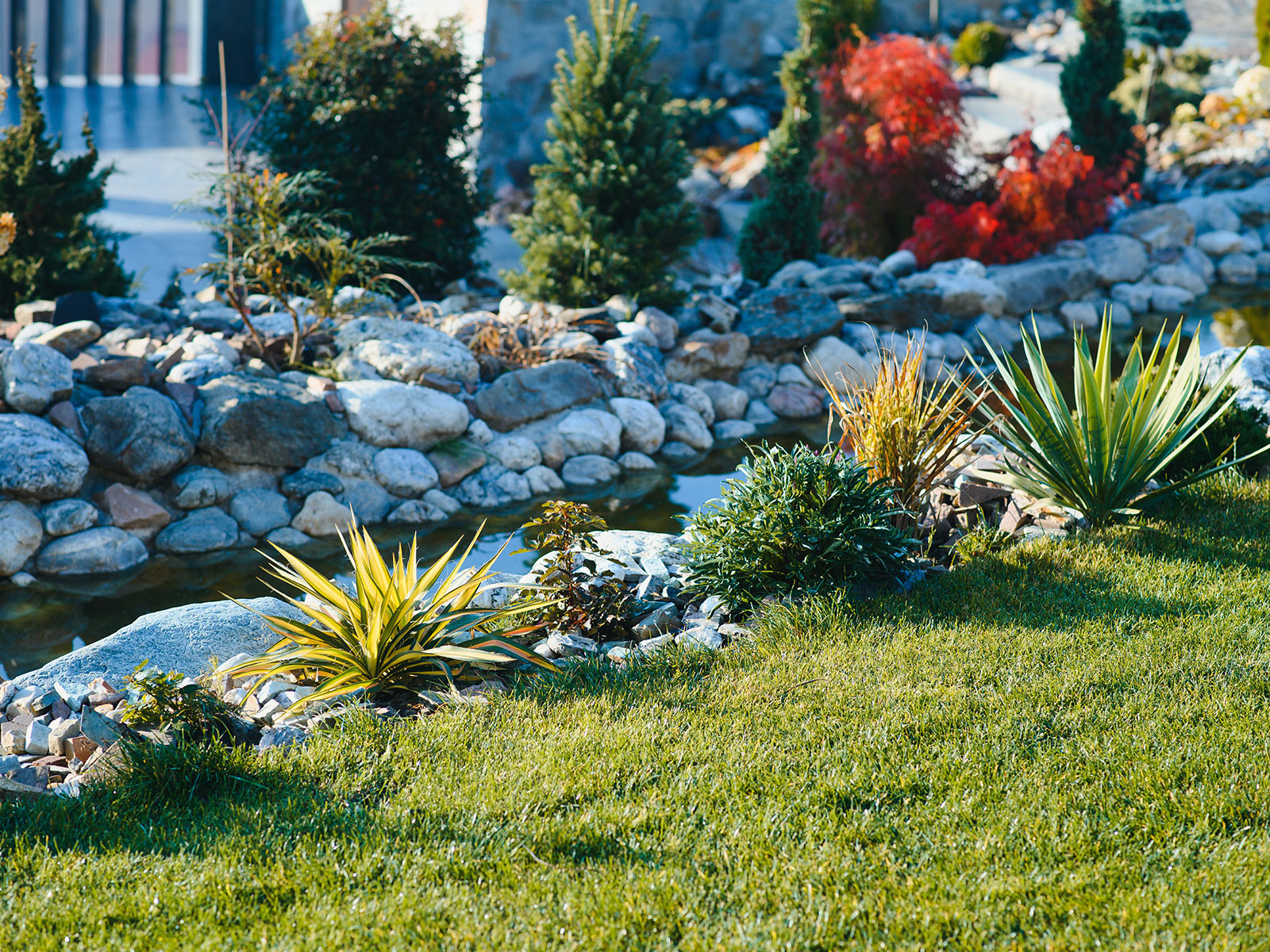
Dry Creek Beds Costs: What to Expect

Dry creek beds are a practical and visually appealing way to manage drainage while adding a natural design element to your landscape. They help guide water safely through your property, reducing erosion and preventing pooling in problem areas.

At Georgian Landscape Design, we design dry creek beds that look intentional, not like an afterthought. Understanding the cost is a great first step in planning your project.

What Is a Dry Creek Bed?

A dry creek bed is a shallow, stone lined channel designed to move water through your landscape during rain events. When dry, it serves as a decorative feature. When it rains, it becomes a functional drainage solution.

These systems are often used to direct runoff away from structures, manage slopes, and replace areas where water naturally flows.

How Dry Creek Beds Work

Dry creek beds are designed to mimic the look and function of a natural stream:

  • Grading creates a natural path for water to follow
  • Landscape fabric helps prevent weed growth and keeps materials in place
  • Gravel and stone slow water movement and reduce erosion
  • Larger accent rocks help guide flow and add visual interest

This combination allows water to move efficiently while blending seamlessly into your landscape.

Why Homeowners Choose Dry Creek Beds

Dry creek beds offer a unique balance of function and design.

Manages drainage naturally
Helps direct water away from your home without relying on underground systems alone.

Reduces erosion
Slows water flow and protects soil from washing away.

Enhances curb appeal
Adds texture, contrast, and a natural focal point to your yard.

Low maintenance
Requires minimal upkeep compared to more complex drainage systems.

Works well with other solutions
Often paired with French drains or grading for a more complete drainage plan.

What Impacts the Cost of a Dry Creek Bed?

The cost of a dry creek bed can vary depending on several factors:

Length and width
Larger or wider creek beds require more materials and labor.

Stone selection
Basic gravel is more affordable, while decorative river rock or larger boulders increase cost.

Design complexity
Curves, elevation changes, and natural looking layouts require more time and expertise.

Site preparation
Excavation, grading, and clearing existing materials can impact pricing.

Drainage integration
Connecting the creek bed to downspouts or other drainage systems adds to the scope.

How Much Does a Dry Creek Bed Cost?

Every project is different, but here are general ranges to help guide your expectations:

  • $50–$150 per linear foot depending on size and materials
  • $1,500 to $8,000+ total based on length, design, and site conditions

Smaller, straightforward installations fall on the lower end, while larger, more decorative creek beds with premium materials will cost more.

When Is a Dry Creek Bed the Right Choice?

Dry creek beds are a great fit for properties that have:

  • Natural water flow paths or slopes
  • Areas prone to erosion
  • Drainage issues that need a visible solution
  • A desire to combine function with natural design

They are especially effective when you want drainage to feel like part of the landscape, not just a hidden system.

Planning Your Dry Creek Bed with Georgian Landscape Design

At Georgian Landscape Design, we take a thoughtful approach to every project. A dry creek bed should look like it belongs in your landscape while solving a real problem.

We evaluate how water moves across your property, then design a solution that manages flow effectively and enhances the overall look of your outdoor space.

Understanding Dry Creek Bed Costs

Dry creek bed costs can vary based on size, materials, and the unique conditions of your property, but having a general idea is a great place to start. It helps you set expectations, explore design options, and plan your investment with confidence. That said, every project is different, and the most accurate way to understand your cost is to have an expert evaluate your space in person. A professional can assess grading, water flow, and material selection to create a tailored solution that looks natural and performs well long term.